 Interactive deck · 2026
Book a meeting
Cameras that record day and night for months, AI that finds and counts the fish, and marine biologists who turn the footage into evidence.
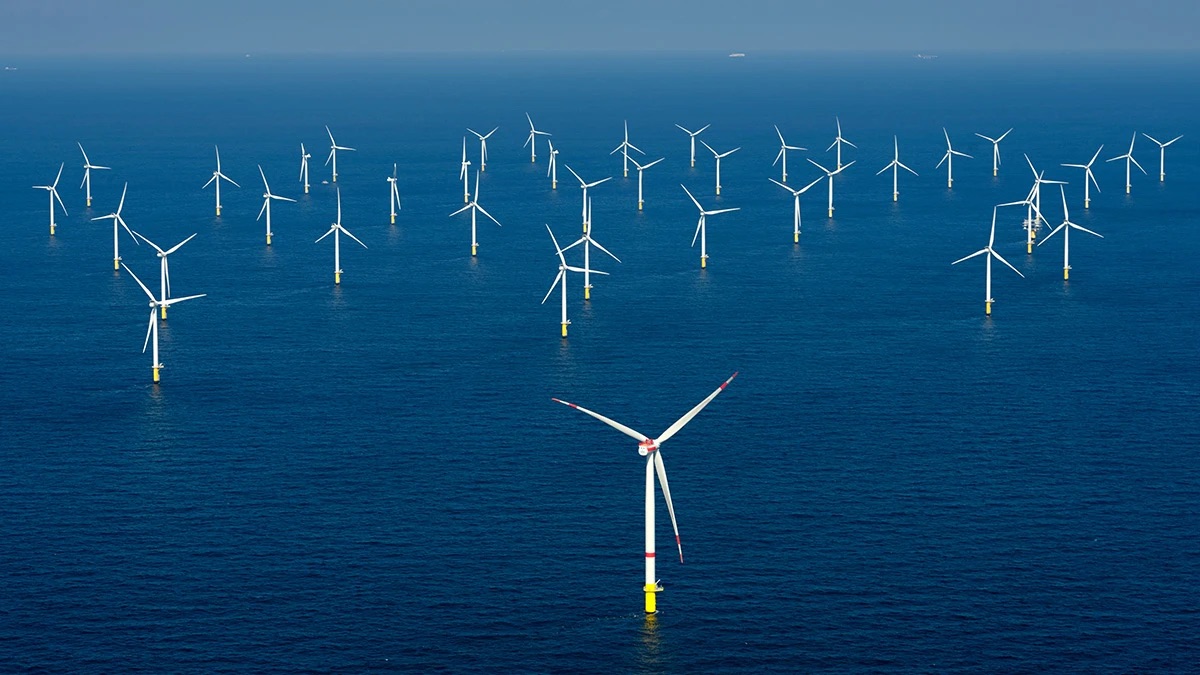
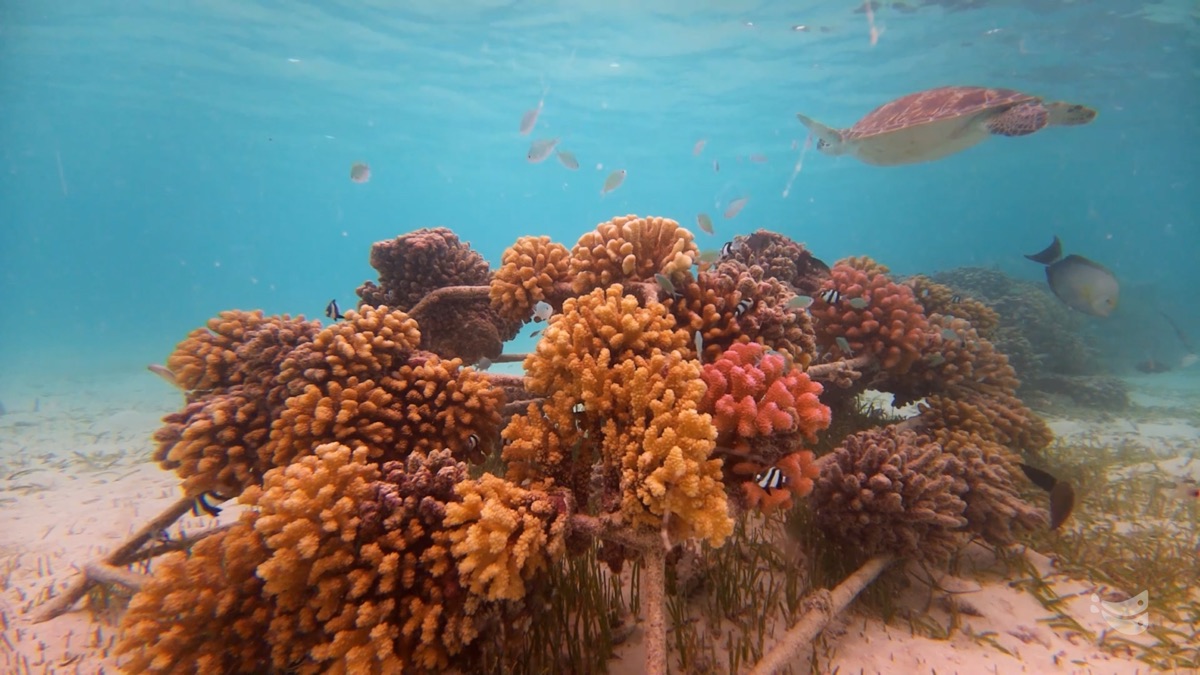
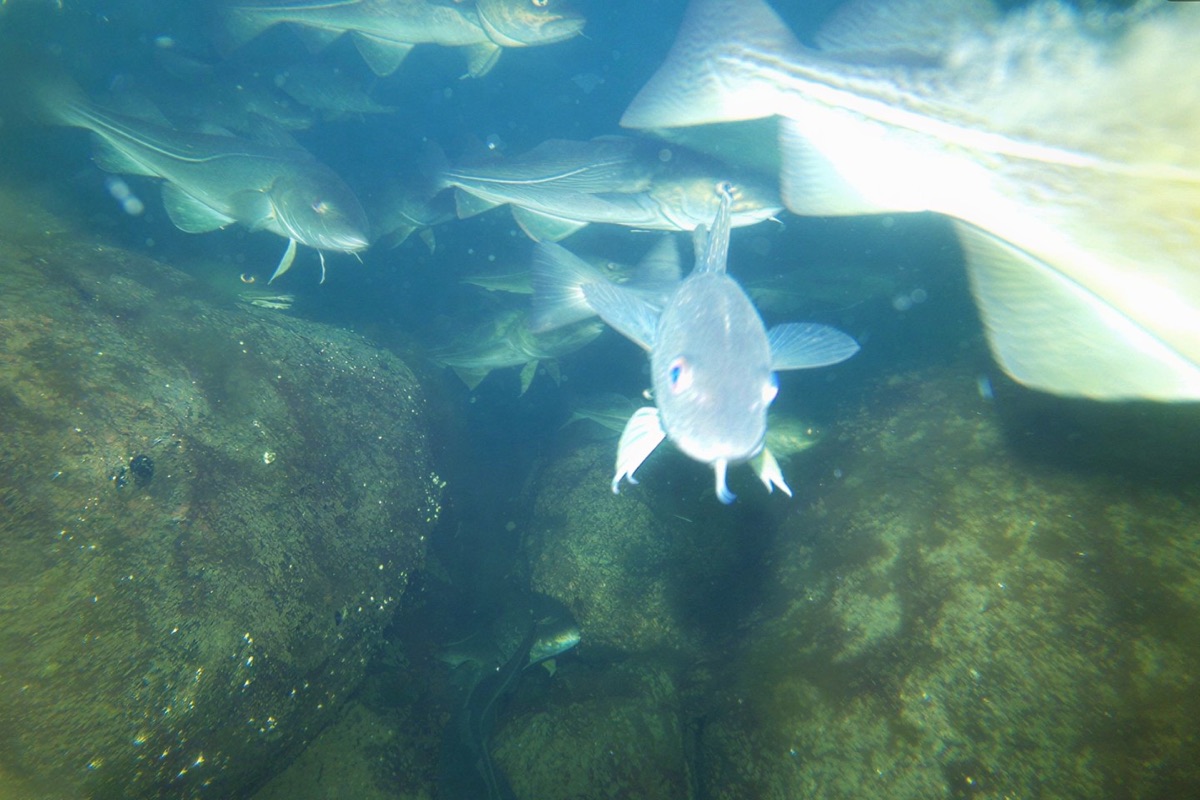 Photo: Anemo Robotics / WWF Denmark & By & Havn
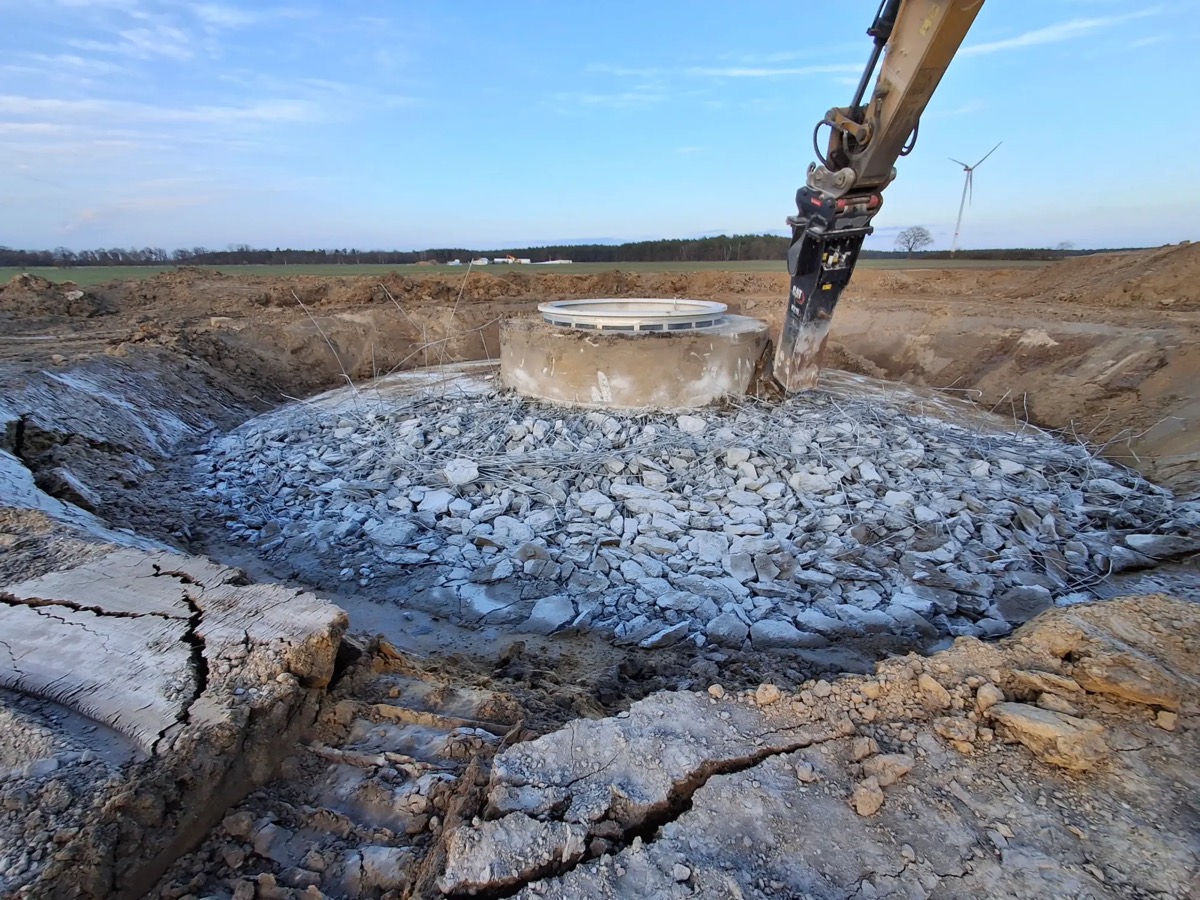
All four will be measured by what changes underwater, year after year.
See what one survey day misses ↓A camera that stays down for months sees all of it.
Anemo started in 2023, out of a DTU project that filmed a Spanish port with 25 GoPros. The footage piled up faster than anyone could watch it. So we built cameras that stay down for months, and AI that finds the animals in every clip.
“Snapshot research misses patterns.”Nejc Novak, CEO and co-founder
Use the full system, or only the hardware or software you need. AnemoHub also works with footage from BRUVs, ROVs and existing archives.
You bring the question, and we find the protocol and tools.
AnemoCam records for months on battery. AnemoLive, wired to shore, streams live. Both give fish length and biomass.
Your team labels footage and trains a model, then checks what the AI finds. No coding needed.
Our marine biologists deliver data visualisation and a report in the format your regulator needs.
How long does one canister last on your protocol?
Plan your deployment ↓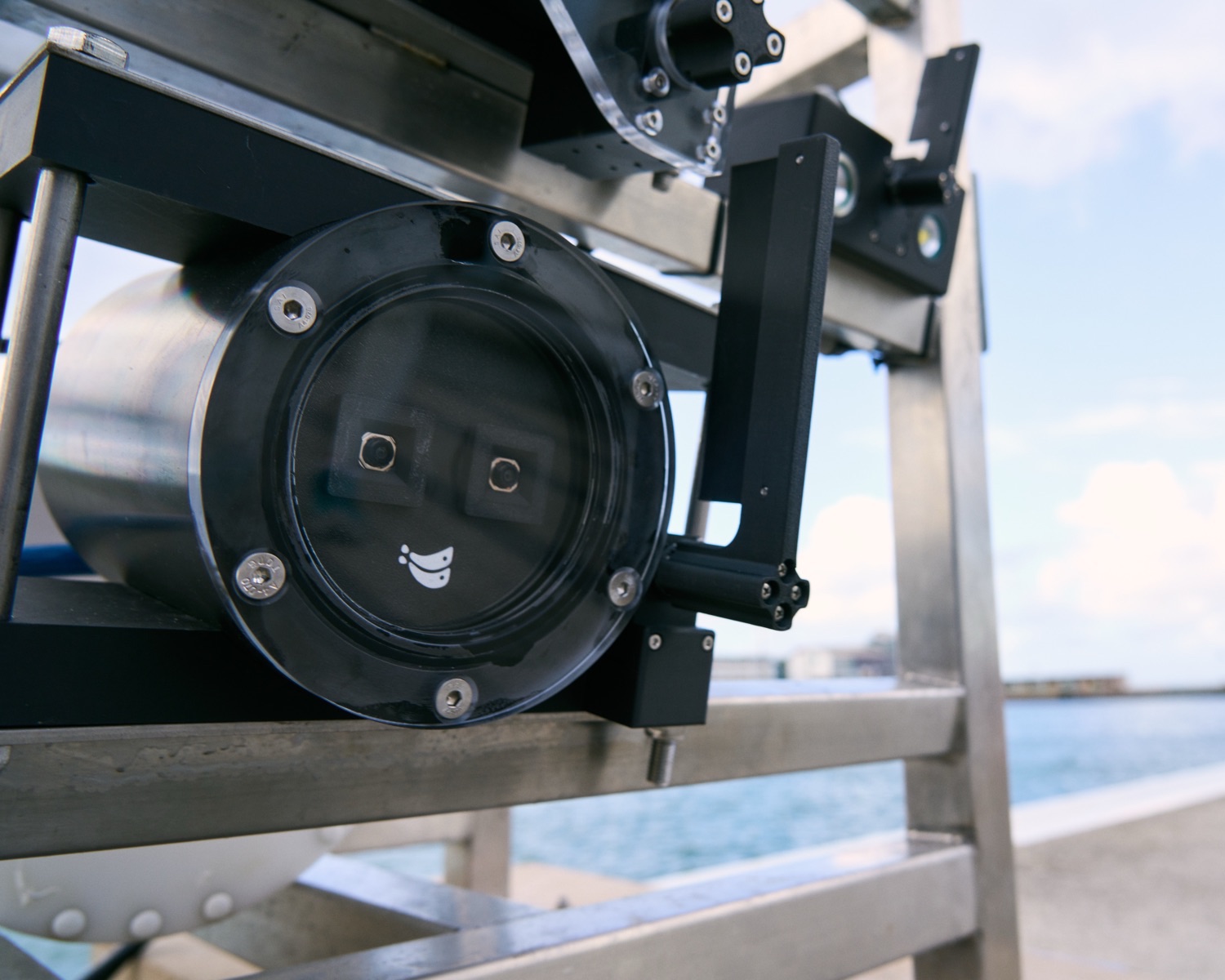
 Photo: Anemo Robotics / WWF Denmark & By & Havn
Livestream
No coding needed. The model your team trains is yours to download.
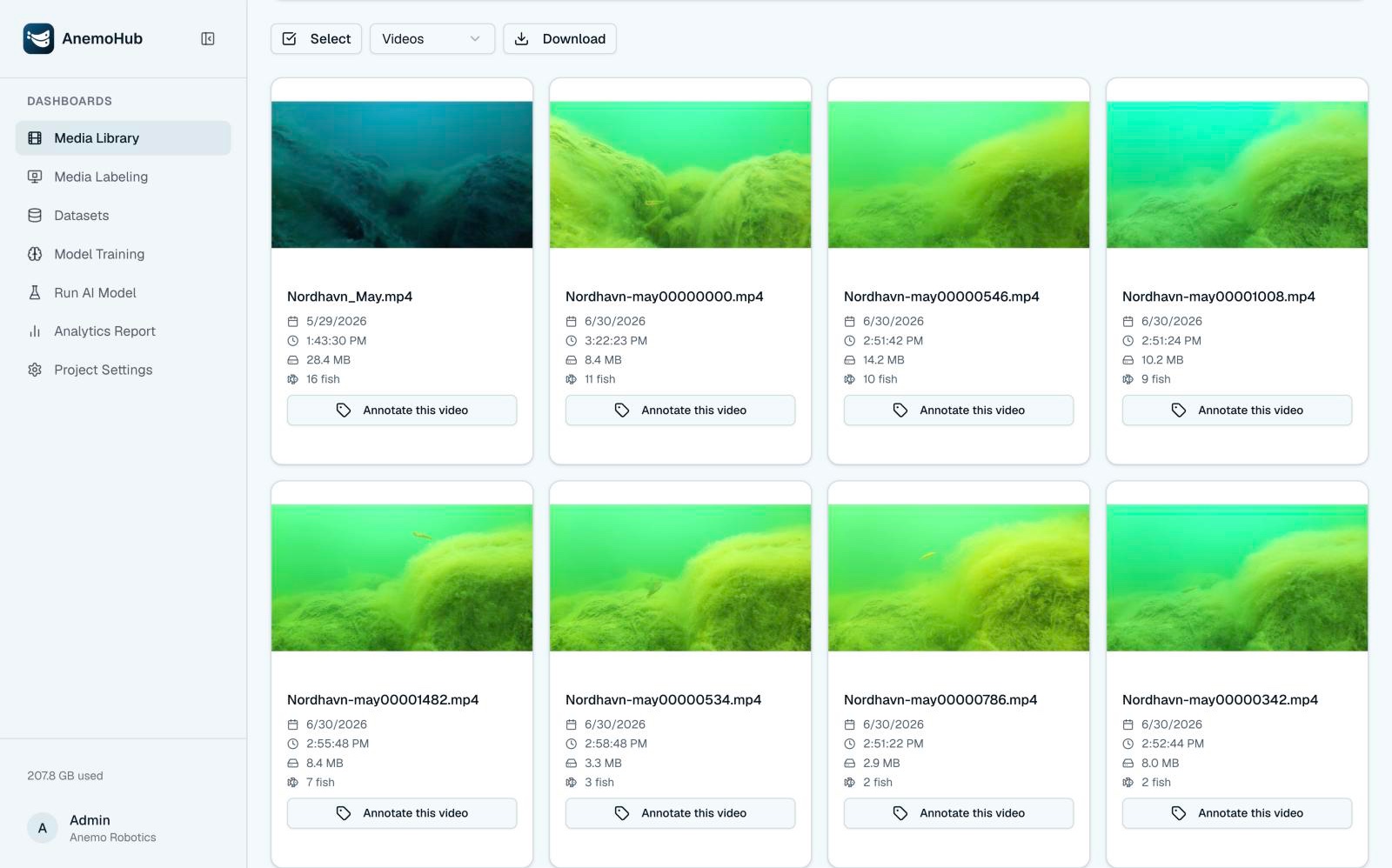
Upload footage from AnemoCam, BRUVs, ROVs or archives. Each video shows its fish count.
Every box is a detection with time, camera, confidence and a species label, so every figure traces back to the footage and can be checked.
New regions start from a base model and are fine-tuned on local footage.
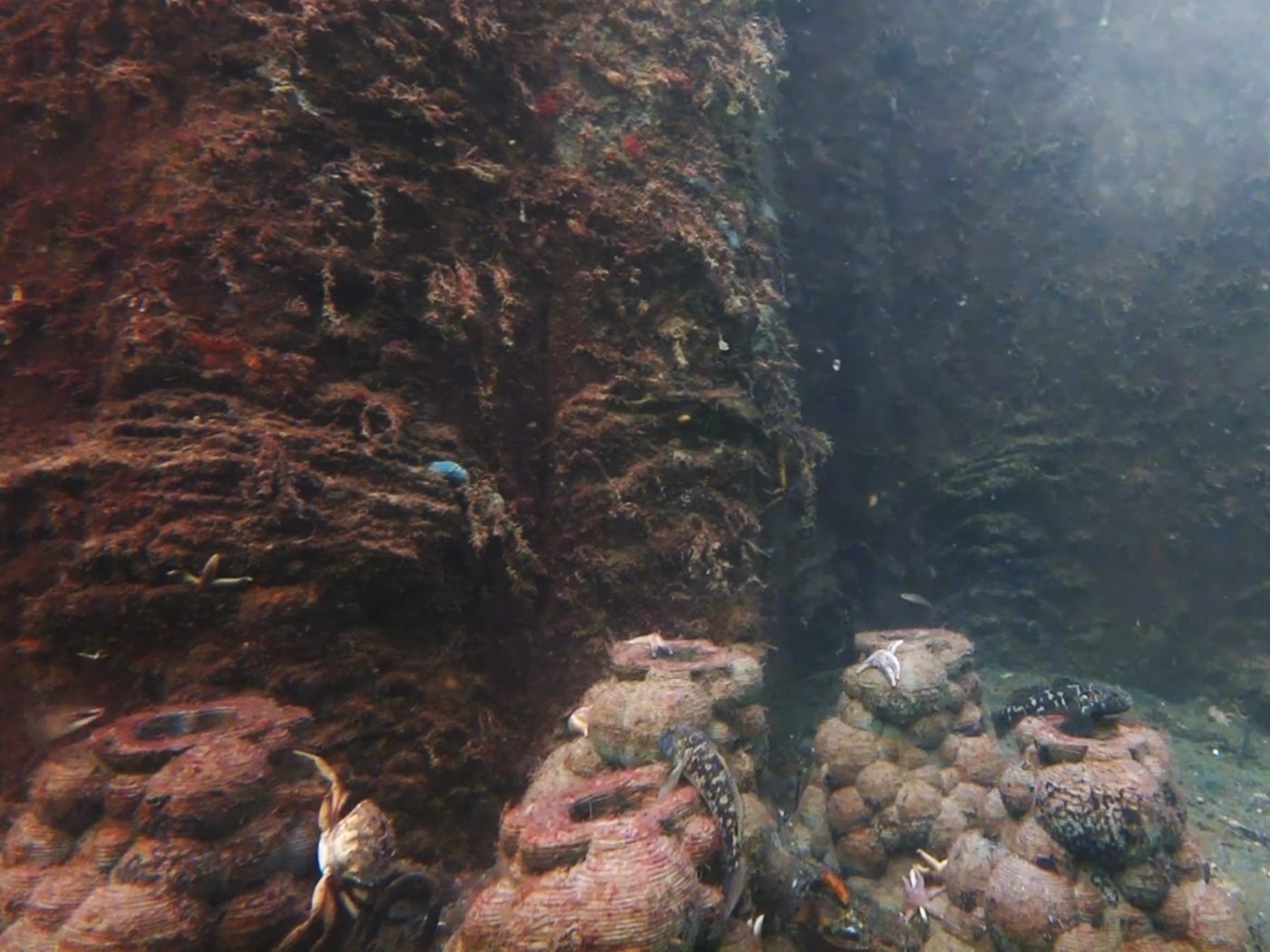
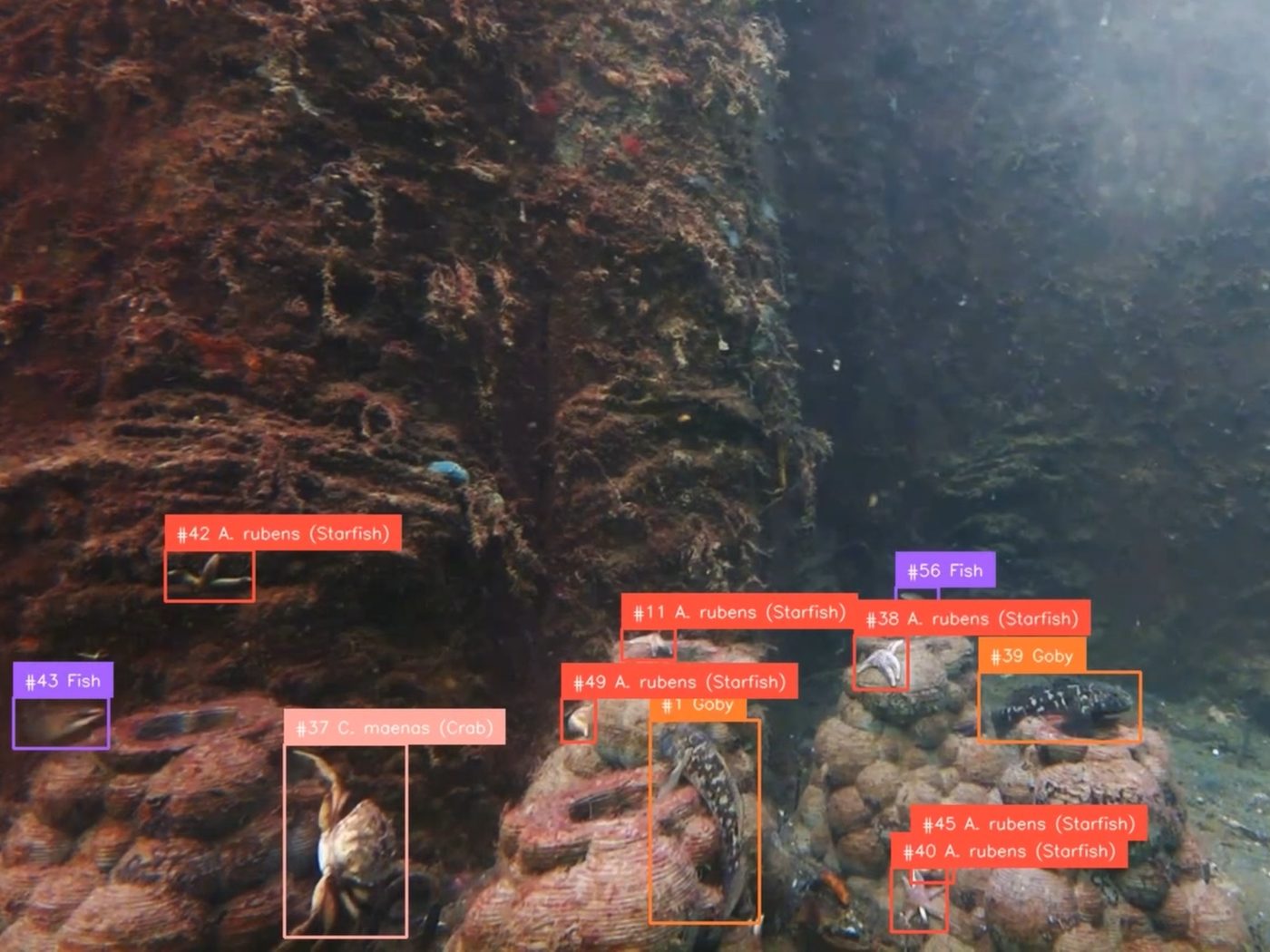
Our marine biologists and engineers run the full analysis and check it before delivery. You get data visualisation plus a report in the format your regulator needs, built around your goal: research, a permit condition, a reporting framework or fundraising.
Four questions we ask about every project, and the ways we can work together.
Each works without the other.
AnemoCam to buy or lease, AnemoLive on lease. Analyse the footage in AnemoHub or with your own tools.
Your team annotates, trains models and analyses the footage.
Our marine biologists run the analysis and write the report.
AnemoHub with your brand on it, built into your workflow. The most custom option.
Engineers and marine biologists, based in Copenhagen. We design and build the cameras, landers and AI in-house. anemorobotics.com ↗
AnemoAI · Van Oord Ocean Health, Maldives
Set the recording protocol. The estimate shows how long one battery and storage canister lasts, how many canisters to bring, and which storage size each one needs.
Indicative estimate. We confirm the numbers with you on a call.
Prices are indicative until we confirm them in a quote.
Choose the cameras and options. The estimate updates as you go.
Lease only.
We recommend at least 6 months.
Standard, 2 TB.
We recommend mounting lights offset from the lens: a light beside the lens catches the marine snow and debris in front of the camera. Mounted offset, each light comes with its own wiper.
You provide electricity and the data plan.
One report at the end of the project. Interim report: quoted.
One-off, per project.
Quoted per project.
Travel at cost.
AnemoBuoy is in development and quoted per project. Ask us about it.
The same number in euros, US dollars and pounds. Other currencies are converted from euros.
| AnemoCam | AnemoLive | |
|---|---|---|
| Use | Autonomous stereo camera, on battery | The same stereo camera, wired to shore and streaming live; on lease, we recommend at least 6 months |
| Build | Camera unit plus a battery and storage canister, on a cable | The same camera unit, powered and connected by PoE from a shore connector box that takes in electricity and data |
| Imaging | Stereo video, 4K as standard | |
| Stereo | Two lenses, calibrated at the factory: fish length and biomass from the same footage | |
| Recording | Programmable clips, default 30 s every 30 min | Continuous, 24/7 livestream; weekly highlights included |
| Storage | SSD in the battery canister: 2 TB standard, 4 TB or 8 TB on request | Videos hosted by Anemo or on your servers, as you need |
| Power | About 3 to 12 months on the standard battery, by protocol; larger battery packs for longer | Power over Ethernet; up to 100 m of cable recommended |
| Service | Canister swapped underwater; the camera stays in place | You provide electricity and the data plan |
| Lights | Optional: one or two, 1,500 lumens each. Mounted offset from the lens, as we recommend, each comes with its own wiper. Brighter or different lights: custom, quoted. | |
| Anti-fouling | Lens wiper, included | |
| Deployment | One person, from a small vessel; some landers need a vessel with a crane | Wherever there is power and a network connection |
| Depth | Rated to 100 m | |
| AnemoHub | AnemoReport | |
|---|---|---|
| Analysis by | Your team, in the platform | Anemo's marine biologists and engineers |
| Verified by | Your team | Anemo's specialists, before delivery |
| Output | In-app overview and data export | Data visualisation plus a report in the format your regulator needs |
| Timing | Any time during the project | One report at the end, showing how the site developed over time; interim reports on request |
For anything not answered here, write to ruben@anemorobotics.com.
The same stereo camera unit, powered two ways. AnemoCam runs on a battery pack and records on its own for months, where there is no power or cable. AnemoLive is powered and connected by cable from a box on shore and streams live; we recommend up to 100 m of cable.
About 3 to 12 months on the standard battery, depending on how often it records (by default, a 30-second clip every 30 minutes). A larger battery pack lasts longer, and the battery and storage canister can be swapped underwater while the camera stays in place. The Battery and protocol designer works it out for your protocol.
Both are rated to 100 m.
Yes. Both cameras record 4K stereo video through two lenses calibrated at the factory, so the same footage gives each fish a length and, from it, biomass. Length and biomass shows how.
A motorised wiper, standard on both cameras, cleans the lens before every clip. On the Billion Oyster Project in New York, the footage was still clear after six months in the water.
The camera is small and light: one person can deploy it from a small vessel. Some landers need a vessel with a crane to lower them safely. We can design the lander for your site and help on the day.
At least two per lander. To show what a structure changes, add a matched control site. Chapter 04 shows three designs we have run, from one lander to five along a transect.
It needs workable visibility. Visibility changes from day to day, and a camera that stays down for months records the clear days as well as the turbid ones.
Yes, with lights: one or two per camera, 1,500 lumens each, as an option. We recommend mounting them offset from the lens, so they light the animals rather than the particles in front of the camera; each offset light has its own wiper.
Video is already accepted for epibiota and hard-substrate work (StUK4, where the habitat is heterogeneous). For fish it is supplementary, a best-fit method and never a requirement. We can run a validation study with you, on your footage.
Side by side, on your footage, with you designing the test. If the result is not better than doing it by hand, you have lost an hour.
80 to 85% is typical, and an expert validates the results. We benchmark it on your own footage before you commit, so you see the number for your site.
Fish and other mobile animals, such as crabs, come first. Models are fine-tuned on footage from your site. There is no model yet for marine growth such as kelp or coral health.
Abundance is reported as MaxN: the highest number of individuals of a species seen in a single frame, confirmed by the same or a higher count in the next frame. A fish circling the camera counts once.
Yes. AnemoHub also works with footage from BRUVs, ROVs and existing archives. Send us an hour of it and we will benchmark the AI on it.
Yes, in AnemoHub: label footage, train a model and check what it finds, with no coding. The model your team trains is yours to download. Or our marine biologists do it for you, with AnemoReport.
With AnemoReport, a hosted, interactive report on the measures in chapter 08, from abundance and diversity to habitat use, behaviour and heatmaps, in the format your regulator needs. With AnemoHub, an overview in the app and a data export.
Your footage and your results stay yours. A trained model belongs to the team that trained it, and you can download it. AnemoHub and our own models are licensed to you for the project. Footage and results come as standard MP4 files and exports. We never train our models on your footage unless you say yes in the order.
Yes. AnemoLive streams the site live, hosted by us or on your own servers, and weekly highlights from the site are included, ready for newsletters and posts.
Four ways. As a partner in an innovation or nature-inclusive programme you are putting together; SeaMe and Ecowende started this way. In the monitoring plan: written into the scoping response, the monitoring plan or the COP appendix before it is approved, it runs for the life of the consent. Through your environmental consultant, who holds the monitoring contract and takes cameras, AI and reporting as a line inside it. And if you are the consultant, as a line item on your own invoice.
No. We displace the annotation queue, not the ecologist. You interpret, QA and report at full charge-out, and you take scope you currently have to decline. Price it against a senior ecologist's September, not against a camera.
AnemoCam can be bought or leased. AnemoLive is leased; we recommend at least six months.
It depends on the setup. Build yours in Request a quote and we will send you a written quote.